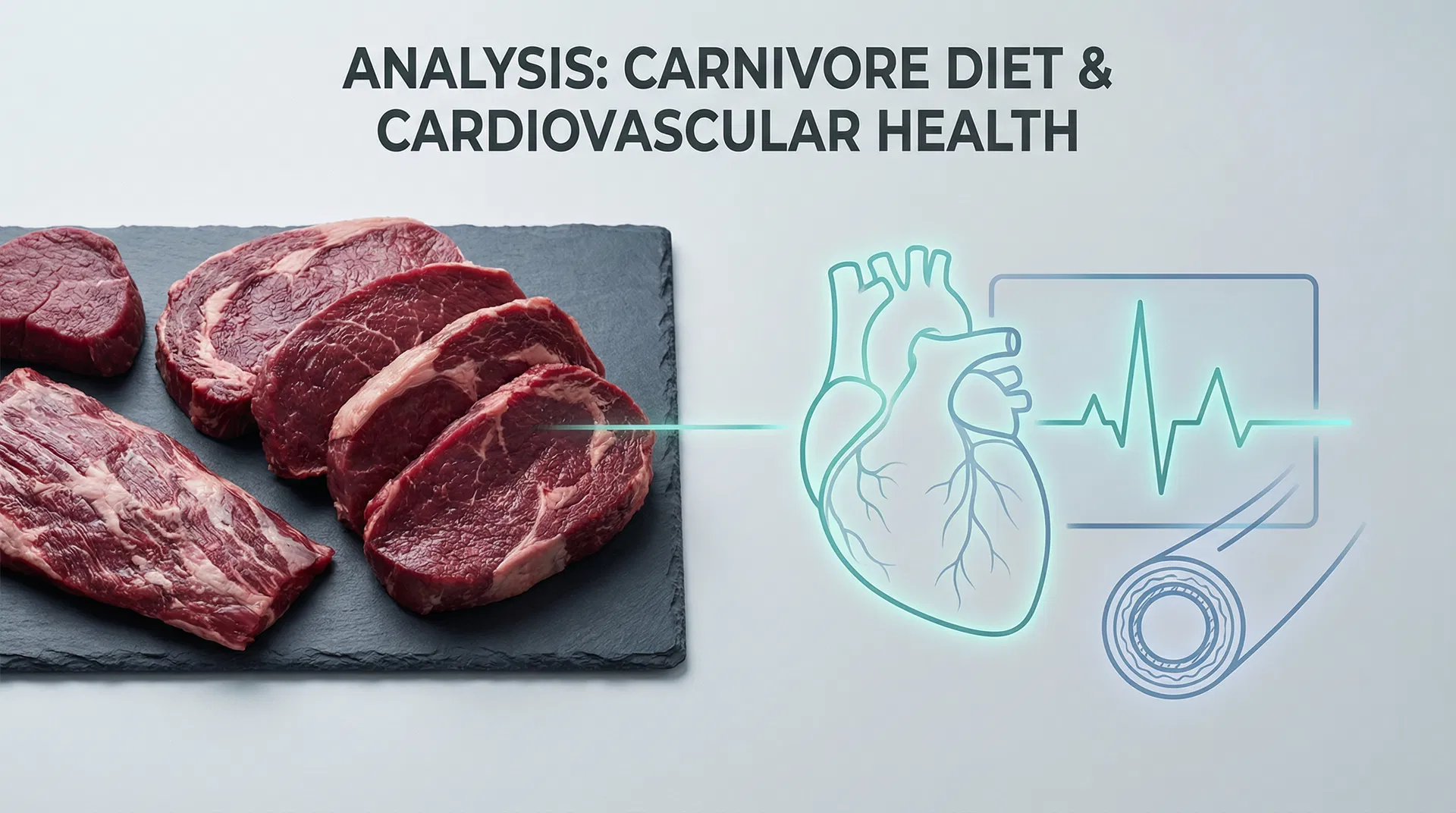
The Carnivore Diet & Cardiovascular Health: A Meaty Debate
The Carnivore Diet & Cardiovascular Health: A Meaty Debate
The carnivore diet, eating only animal products, has become a polarizing topic in nutrition. Some claim it's a metabolic miracle; others call it a cardiovascular time bomb.
As a preventive cardiologist, I'm asked about it regularly. Here's what the evidence actually shows (and what it doesn't).
What is the carnivore diet?
At its core, the carnivore diet is simple:
- Eat: meat, fish, eggs, and sometimes dairy
- Avoid: all plant foods (fruits, vegetables, grains, legumes, nuts, seeds)
It's often framed as an elimination diet for people with autoimmune conditions, chronic inflammation, or digestive issues.
The cardiovascular concerns (and why they're not unfounded)
1) Saturated fat and LDL cholesterol
Animal products, especially fatty cuts of red meat and butter, are high in saturated fat, which tends to raise LDL cholesterol in most people.
Why it matters:
- Higher LDL cholesterol (especially LDL particle number, measured by ApoB) is causally linked to atherosclerosis.
- The carnivore diet often raises LDL-C and ApoB significantly in many individuals.
Important nuance:
- Some people are "hyper-responders" and see dramatic LDL increases on high-fat diets.
- Others have more modest changes or even improvements in triglycerides and HDL.
2) Lack of fiber
Fiber has consistent cardiovascular benefits:
- lowers LDL cholesterol
- improves blood pressure
- supports healthy gut microbiome
- reduces inflammation
The carnivore diet provides zero dietary fiber.
3) Missing phytonutrients and antioxidants
Plant foods contain compounds (polyphenols, flavonoids, carotenoids) linked to reduced oxidative stress and inflammation.
While not "essential" in the strict sense, their absence over years or decades is a biological experiment we don't have long-term data on.
What about the reported benefits?
Many carnivore advocates report:
- weight loss
- improved energy
- reduced inflammation
- better mental clarity
- resolution of digestive issues
My take: These outcomes are real for some people, but they don't necessarily mean the diet is optimal for cardiovascular health.
Possible explanations:
- Weight loss: calorie restriction (meat is satiating) drives many metabolic improvements
- Elimination effect: removing processed foods, sugar, and potential food sensitivities can reduce inflammation
- Metabolic shift: some people feel better in ketosis or with stable blood sugar
But you can achieve these benefits with less cardiovascular risk by including plant foods.
The data gap: we don't have long-term cardiovascular outcome trials
Here's the honest truth: we don't have randomized controlled trials showing the carnivore diet prevents heart attacks or strokes.
What we do have:
- Decades of evidence that plant-forward diets (Mediterranean, DASH, portfolio diet) reduce cardiovascular events
- Mechanistic data showing that high saturated fat intake raises LDL in most people
- Observational data linking high red meat consumption with increased cardiovascular risk (though confounding is a major issue)
When I'm most concerned
I'm especially cautious about the carnivore diet in patients with:
- Established cardiovascular disease (prior heart attack, stroke, stents)
- High baseline LDL cholesterol or ApoB
- Familial hypercholesterolemia (genetic high cholesterol)
- Elevated Lp(a) (inherited cardiovascular risk factor)
- Chronic kidney disease (high protein load can worsen kidney function)
In these cases, the potential cardiovascular risks outweigh the reported benefits for most people.
A more balanced approach (my clinical recommendation)
If you're drawn to a meat-heavy diet, consider a modified approach that preserves some cardiovascular protection:
1) Prioritize lean proteins and fish
- Fatty fish (salmon, mackerel, sardines) provide omega-3s
- Lean cuts of meat reduce saturated fat load
2) Don't eliminate all plant foods
- Add leafy greens, cruciferous vegetables, berries, nuts, seeds
- These provide fiber, antioxidants, and micronutrients with minimal carbs
3) Monitor your lipids closely
- Get a baseline lipid panel with ApoB before starting
- Recheck in 8-12 weeks
- If LDL-C or ApoB rises significantly, adjust the diet or consider medication
4) Consider a time-limited trial
- Use the carnivore diet as a short-term elimination tool (3-6 months) rather than a lifelong eating pattern
- Reintroduce plant foods systematically to identify triggers
Bottom line
The carnivore diet may help some people feel better in the short term, but we don't have evidence that it's safe or beneficial for long-term cardiovascular health.
For most people, a whole-foods diet that includes both high-quality animal products and plenty of plants is a safer bet.
References (IG-friendly)
- Dietary Guidelines for Americans (saturated fat and cardiovascular disease)
- AHA dietary guidance statements on heart-healthy eating patterns
- Grundy SM, et al. 2018 AHA/ACC Guideline on the Management of Blood Cholesterol. Circulation. 2019.
- Threapleton DE, et al. Dietary fiber and cardiovascular disease. BMJ. 2013.
Educational content only. Not medical advice. Dietary changes should be individualized and monitored by a clinician, especially if you have cardiovascular risk factors.
Ready to optimize your cardiovascular health?
Schedule a comprehensive preventive cardiology consultation to discuss your personalized risk reduction strategy.
Book a Consultation
