The Fiber Gap: The Heart-Health Superhero Most of Us Are Missing
The Fiber Gap: The Heart-Health Superhero Most of Us Are Missing
As a preventive cardiologist, I'm often asked what to avoid for heart health.
But one of the most powerful moves is actually what to add: fiber.
And here's the problem: most of us are living in a fiber gap, quietly, consistently, and with real cardiometabolic consequences.
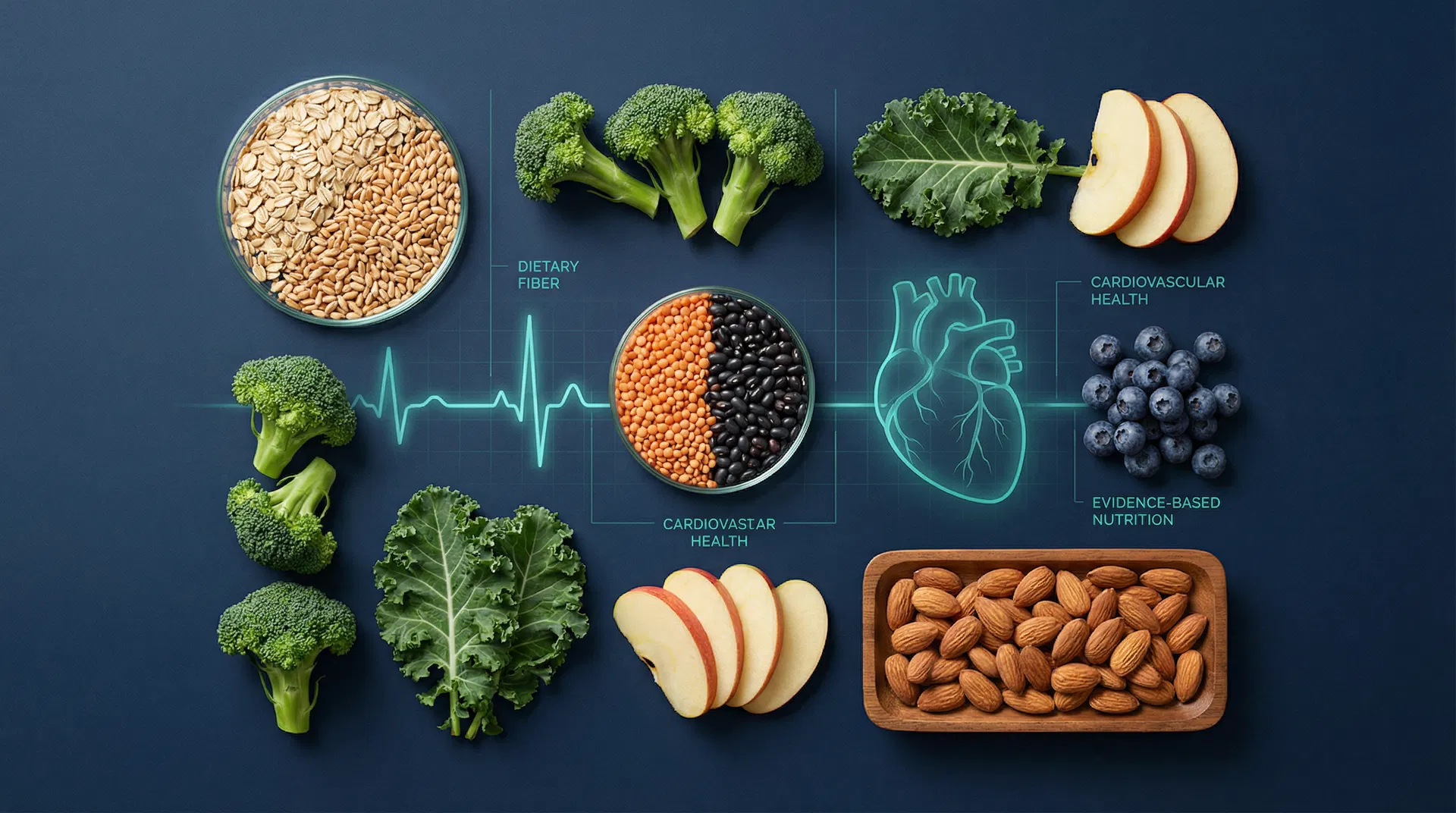
The fiber gap (in one graphic)
- Average intake: ~16 g/day
- Recommended intake: ~28 g/day (varies by age/sex, but this is a reasonable target for many adults)
Only a small minority of adults meet daily fiber goals.
Why fiber matters for the heart (and not just digestion)
Fiber works through multiple "behind-the-scenes" mechanisms:
1) Cholesterol: fiber helps your body pull LDL out of circulation
Soluble fiber binds bile acids in the gut. Your liver then has to use cholesterol to make more bile, effectively nudging LDL downward over time.
Translation: fiber behaves like a gentle, daily cholesterol assist.
2) Blood pressure: small changes can add up
Higher fiber intake is associated with lower blood pressure in multiple analyses, likely through a combination of improved endothelial function, weight regulation, and metabolic effects.
3) Blood sugar: "fiber is like a traffic cop for carbs"
Fiber slows carbohydrate absorption, blunting glucose spikes and helping improve insulin sensitivity, especially when it replaces refined carbs.
4) Inflammation: your gut microbes do a lot of the work
Fermentable fibers feed beneficial bacteria that produce short-chain fatty acids (like butyrate), which are linked to anti-inflammatory effects and metabolic health.
5) Weight management: more fullness, less "snack gravity"
Fiber increases satiety and can reduce overall calorie intake without needing perfection.
Soluble vs insoluble fiber (quick and practical)
You don't need to memorize this, but it helps:
- Soluble fiber (oats, beans, lentils, apples, citrus, psyllium): best known for LDL and glycemic benefits
- Insoluble fiber (wheat bran, many vegetables, nuts): best known for bowel regularity and gut motility
- Most whole foods give you a mix, and that's ideal.
Easy-to-find fiber sources (that actually taste good)
Here are a few simple anchors you can build meals around:
- Oats: ~4 g per ½ cup (dry), depending on brand/prep
- Beans: ~6 g per cup (varies)
- Lentils: ~7 g per cup (varies)
- Apples: ~4 g each (with skin)
- Pears: ~6 g each
- Broccoli: ~5 g per cup
- Almonds: ~4 g per ounce
- Pistachios: ~5 g per ounce
- Sunflower seeds: ~3 g per ounce
You don't need all of these. Pick 2–3 that you genuinely enjoy and repeat them.
The "small changes" strategy (my favorite)
Most people fail with "all-or-nothing" nutrition. Fiber is the opposite: you can win with consistency.
Try this:
Step 1: Add one fiber "upgrade" per day
Choose one:
- swap refined breakfast for oats + berries
- add ½ cup beans or lentils to lunch
- add a fruit + nuts snack
- add a side of vegetables at dinner
Step 2: Repeat until it's automatic
When it feels normal, add a second upgrade.
Step 3: Hydration matters
If you raise fiber quickly without fluids, constipation can happen. Increase fiber gradually and keep water intake steady.
What about fiber supplements?
Food-first is ideal, but supplements can be useful:
- Psyllium husk has the most consistent evidence for LDL lowering among fiber supplements.
- It's not a "free pass" for a poor diet, but it can be a pragmatic tool, especially for people who struggle to hit targets.
If you take medications, space fiber supplements apart from meds (often 2 hours) to reduce absorption issues.
Who should be cautious?
Most people benefit from higher fiber, but it's worth individualizing if you have:
- active inflammatory bowel disease flare
- significant GI motility disorders
- strict low-residue diet needs
- recent bowel surgery or obstruction history
Bottom line
The fiber gap is one of the quiet drivers of cardiometabolic disease. The solution isn't complicated; it's repeatable.
Small, consistent changes make powerful differences.
References (IG-friendly, no links)
- Dietary Guidelines for Americans (fiber intake recommendations and population shortfall)
- Reynolds A, et al. Carbohydrate quality and human health (high-fiber patterns and cardiometabolic outcomes). Lancet. 2019.
- Threapleton DE, et al. Dietary fiber and cardiovascular disease. BMJ. 2013.
- AHA dietary guidance statements on heart-healthy eating patterns (fiber-rich foods emphasized)
Educational content only. Not medical advice. If you have GI disease or complex medical conditions, discuss personalized fiber targets with your clinician.
Ready to optimize your cardiovascular health?
Schedule a comprehensive preventive cardiology consultation to discuss your personalized risk reduction strategy.
Book a Consultation
